
Window Tint Removal in Rhode Island
Tint removal is not peeling film off glass. Done wrong it leaves adhesive haze, scratched glass, and lifted rear defroster lines that can mean a full rear window replacement. Our process breaks the adhesive bond with controlled heat instead of force, so the defroster grid comes through intact.
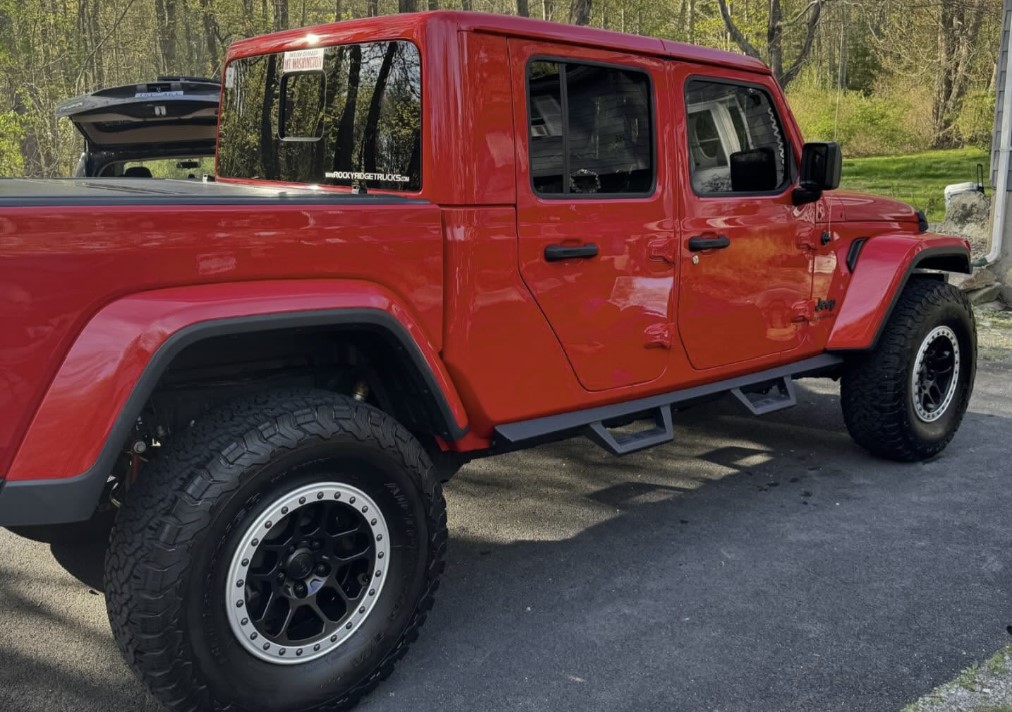

Understanding tint removal
Modern window film is bonded to glass with strong adhesives designed to last for years. Over time, heat, UV exposure, and aging cause the film to bubble, fade, or turn purple. When that happens, removal has to be done with precision, not force.
Our process is engineered to safely break down adhesive bonds without scraping, cutting, or damaging the glass surface, and without stressing the delicate conductive lines of your rear defroster.
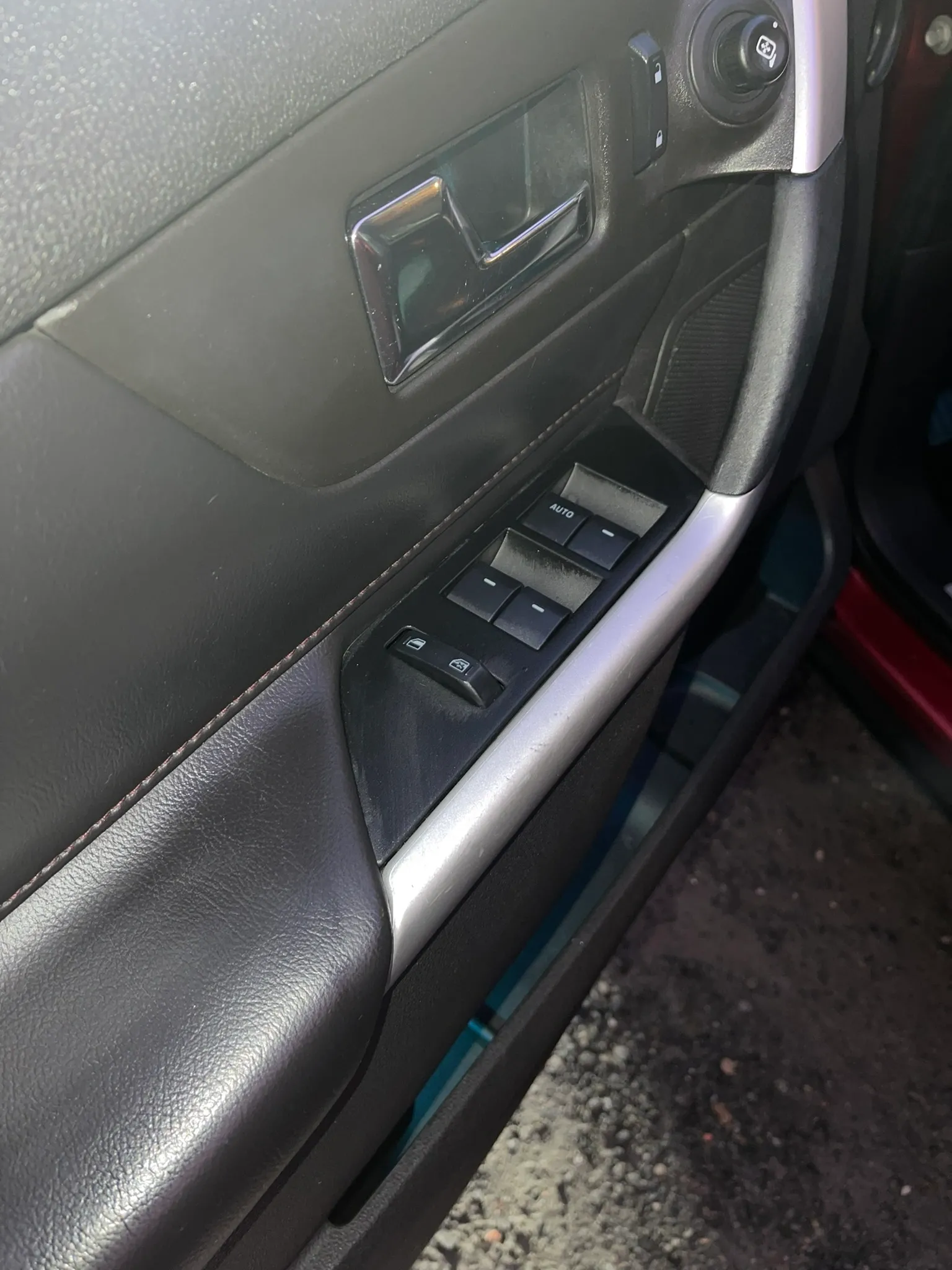
Why tint gets harder to remove over time
Window tint is made up of multiple layers, including a polyester film and a pressure-sensitive adhesive layer. That adhesive is what bonds the tint to the glass at a microscopic level.
Over time the bond strengthens due to heat cycling from sunlight and rear defroster use. This is especially true on rear windows, where defroster lines run directly beneath the film. An eight-year-old rear window is a very different job from a two-year-old side window.
Improper removal methods can cause:
- Scratching of glass from razor blades or scraping tools
- Lifting or tearing of rear defroster lines
- Adhesive smearing across the glass surface
- Permanent haze or distortion in the glass
- Electrical failure in defroster circuits
Our method avoids all of these risks by using a controlled, non-abrasive removal process.
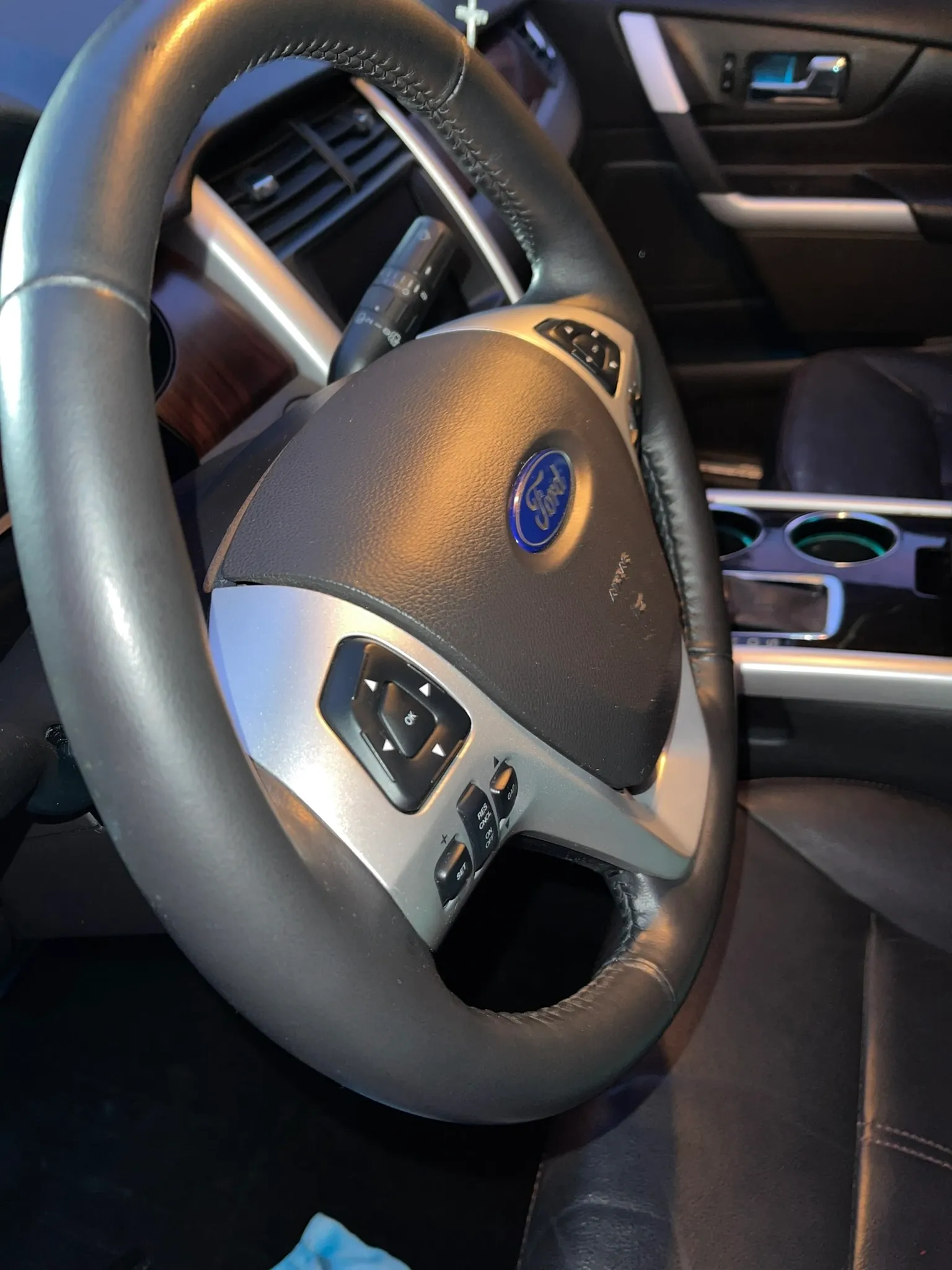
Safe removal on rear defrosters
Rear defroster protection is the most critical part of professional tint removal. Those thin conductive lines are extremely delicate and can be permanently damaged if the tint is removed aggressively.
We use a heat-assisted release method that safely softens the adhesive bond between the tint and the glass. That allows the film to come off in large, controlled sections without pulling against the defroster lines.
Controlled steam and heat
Heat is applied evenly to soften the adhesive across the whole panel rather than in hot spots.
Slow, low-angle film separation
The film is lifted at a shallow angle to reduce stress on the defroster lines rather than pulling straight out from the glass.
No razor blades or metal scrapers on rear glass
This is the single most common cause of destroyed defroster grids, and we do not do it.
Continuous monitoring of line integrity
The grid is watched throughout the process, not just checked at the end when it is too late.
Adhesive breakdown rather than mechanical force
Chemistry and heat do the work. Nothing is muscled off the glass.
Adhesive breakdown and surface safety
Once the film is removed, a thin layer of adhesive often remains on the glass. This residue has to be treated carefully to avoid scratching or clouding the surface.
We use specialized adhesive softening agents that safely dissolve residue without damaging glass or defroster elements, followed by a non-abrasive wipe-down to restore full clarity.
This step matters more than people expect. Improper adhesive removal is one of the leading causes of scratched or hazy glass after tint removal, and it is usually what people are actually looking at when they say a removal job looks bad.
Why heat control matters
Heat is one of the most important tools in safe tint removal, but only when used correctly. Too little heat causes tearing and adhesive separation issues. Too much heat can damage defroster lines or stress the glass.
Our process uses controlled, even heat distribution to ensure:
- Uniform adhesive softening
- No thermal shock to the glass
- No distortion of rear defroster wiring
- Safe separation of film without pulling or snapping
That balance is what allows clean, damage-free removal every time.
Common mistakes in improper removal
Many DIY or inexperienced removal attempts lead to permanent damage. These are the ones we see most often.
- Using razor blades on rear glass
- Dry peeling without heat assistance
- Pulling film too quickly, causing defroster line lift
- Using harsh chemicals that damage electrical components
- Overheating small sections of glass
These mistakes can result in costly repairs, including full rear window replacement in severe cases.
- No damage to rear defroster lines
- No scratching of glass surfaces
- Complete adhesive removal
- Full restoration of optical clarity
- Safe removal of all tint types, including ceramic, dyed, and metallic films
Every vehicle is treated with a method tailored to its glass type, tint age, and adhesive condition.
When tint removal is necessary
Faded or purple tint
Dyed films break down and shift purple as the dye fails. There is no fixing it, only replacing it.
Bubbling or peeling film
Once the adhesive lets go you get bubbles that will only spread. Bubbles also block visibility.
Upgrading to better film
Old film has to come off cleanly before a quality ceramic film can go on, or the new install will look wrong.
Restoring factory glass
Some owners simply want the glass back to how it left the factory, especially before selling.
Correcting a poor install
Creases, gaps, contamination, and lifted edges from a bad install are removal jobs, not repair jobs.
Non-compliant tint
Tint that is too dark for state law can mean an inspection failure or a citation. Removal is the fix.
Tint laws in Rhode Island, Massachusetts, and Connecticut
If your tint is darker than your state allows, removal is the first step toward passing inspection. Each state sets its own Visible Light Transmission requirements, and Rhode Island is one of the strictest in the country.
This is a plain-language summary for planning purposes, not legal advice, and tint statutes do change. Confirm current requirements with your state before you buy film. Rhode Island publishes its rules and vehicle-type charts through the RI Division of Motor Vehicles. In all cases, safe removal is the first step toward restoring proper visibility and compliance.
Why professional execution matters
Tint removal may look simple, but it requires experience, patience, and the right tools. Every vehicle presents different challenges based on film type, age, and defroster design.
A professional approach ensures controlled removal without stress on the glass, protection of all electrical defroster systems, a clean residue-free finish, and no secondary damage during the process.
At its core, tint removal is about precision and protection, not force. When it is done correctly the result is perfectly clean glass, fully functional defrosters, and a surface ready for new film or factory-clear visibility.
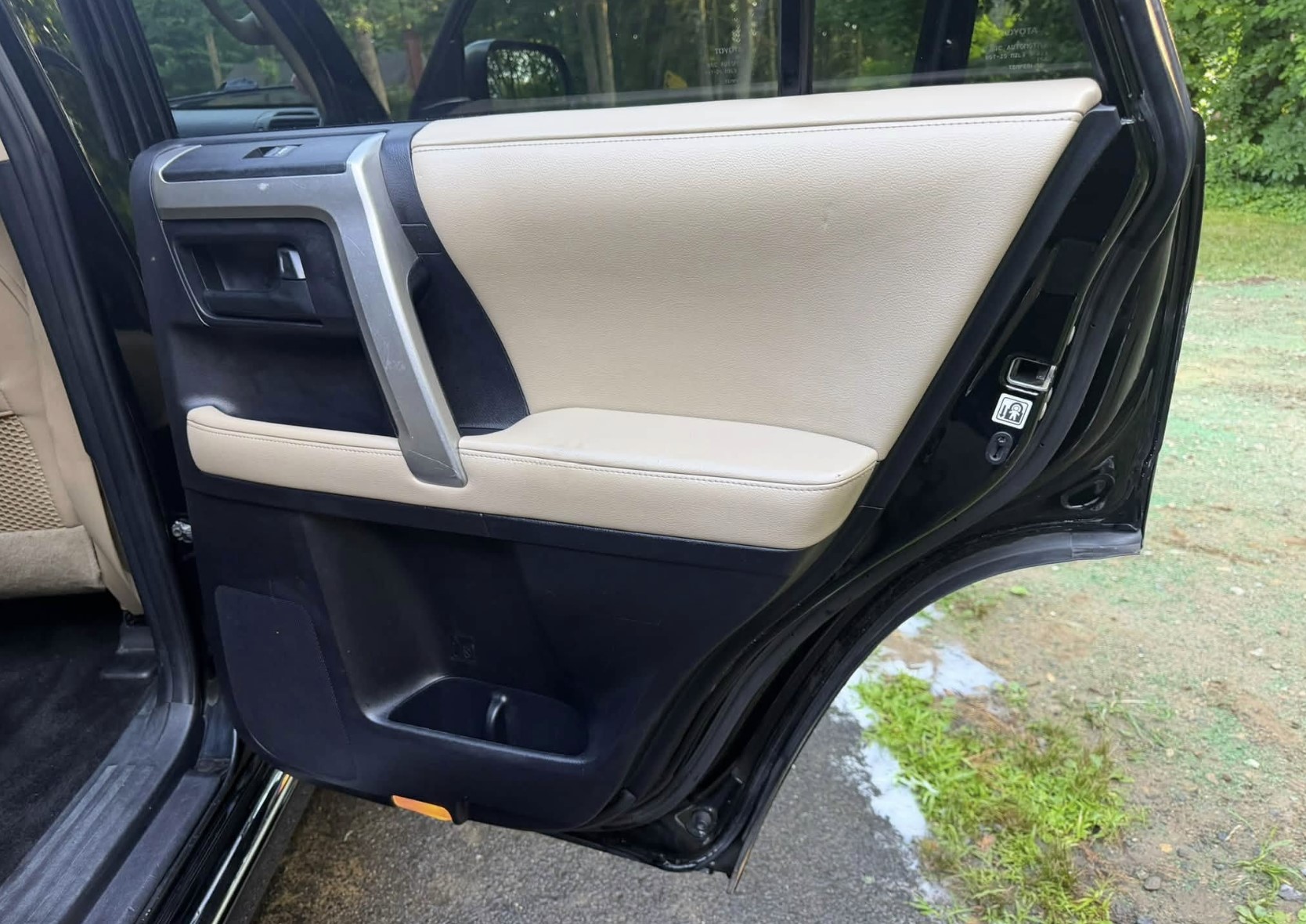
While the glass is being worked on
Removal is a good moment to address water spots and the rest of the exterior.
Tint removal questions
How much does tint removal cost?
Removal is quoted per vehicle, because film type, age, and how many windows are involved change the job substantially. A two-year-old side window and an eight-year-old rear defroster window are very different work. Send us your vehicle details for a quote.
Will removing tint break my rear defroster?
Not with a heat-assisted process. The damage people worry about comes from razor blades and fast dry peeling, neither of which we use on rear glass. We monitor the grid throughout the removal.
Can I just remove it myself?
You can, and side windows without defroster lines are the lower-risk case. Rear glass is where DIY attempts go badly, and a damaged defroster grid usually means replacing the whole rear window, which costs far more than the removal.
Do you remove ceramic and metallic films too?
Yes. Ceramic, dyed, and metallic films all come off with our process. Each one behaves differently under heat, so the method is adjusted to the film and adhesive condition.
Will there be adhesive left on the glass?
No. Complete adhesive removal is part of the service. Leftover residue is the most common complaint about cheap removal work and it is the step we spend the most time on.
Do you install new tint after removing the old film?
We handle removal and prepare the glass so it is ready for a new install. Ask us when you book and we will let you know what we can do in-house versus what we would refer out.
My tint is too dark for Rhode Island. Is removal the fix?
Yes. If the film puts your windows below the legal light transmittance minimum, removing it is what brings the vehicle back into compliance. Confirm current requirements with the RI DMV or your inspection station, since we cannot speak for how any specific vehicle will be assessed.
Get a tint removal quote
Tell us the vehicle, roughly how old the film is, and which windows are tinted. We will come back with a price and a realistic timeline before you commit to anything.
147 Snake Hill Road, North Scituate, RI 02857 · Serving Providence County